Cowhide Leather Texture Backgrounds: A Designer's Guide
There's an undeniable warmth and authenticity that real materials bring to a design. The subtle grain of wood, the cool feel of stone, or the rich patina of aged leather can transform a flat digital space into something with depth and story. For creatives seeking that specific tactile quality, a high-quality Cowhide Leather Texture Background is an invaluable asset. It’s more than just a pattern; it’s a foundation that evokes craftsmanship, heritage, and a sense of enduring style.
Understanding the Visual Character of Cowhide Textures
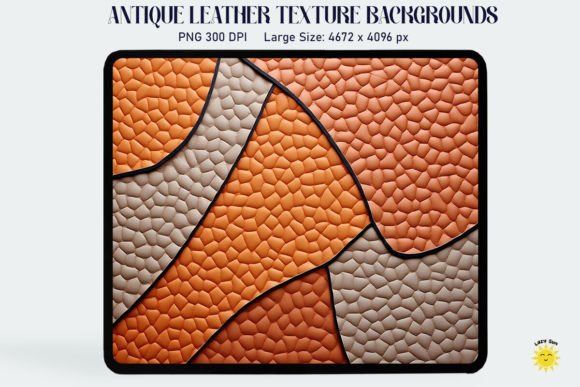
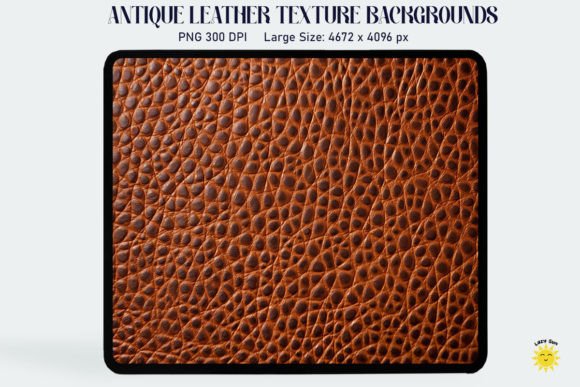
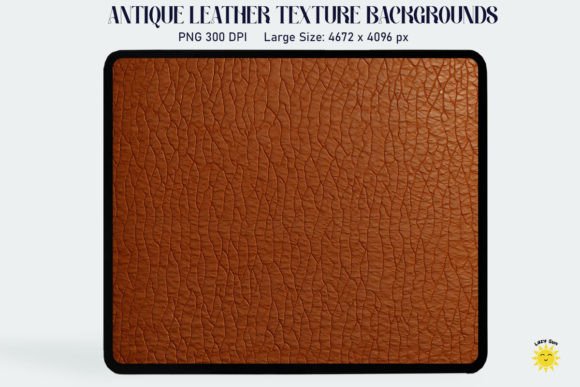
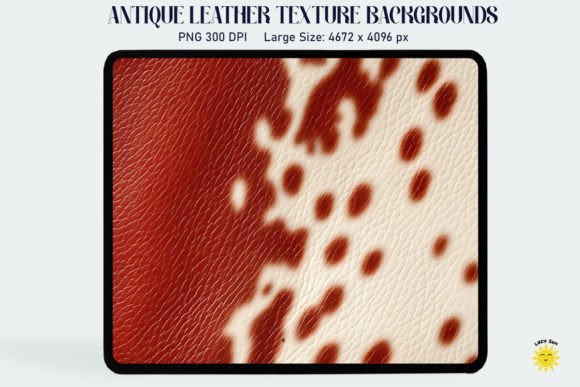
A well-crafted cowhide texture, like the one from Lazysun, isn't a uniform, machine-perfect surface. Its appeal lies in its organic irregularities. You'll notice the natural, irregular patterns of the hide, the soft gradients where light catches the surface, and the gentle, lived-in variations that suggest a history. The Antique Leather Texture variant, for instance, often features deeper creases and a richer, more muted color palette, perfect for projects aiming for a nostalgic or vintage feel. In contrast, a cleaner Classic Leather Backdrop offers sophistication and a more refined, professional tone.
The personality of these textures is inherently versatile. A Distressed Leather Texture communicates ruggedness, adventure, and authenticity—ideal for brands related to outdoor gear, artisanal goods, or craft beverages. Meanwhile, Weathered Leather Backdrops carry a softer, more contemplative mood, suited for boutique hotels, memoir publishers, or high-end stationery. This range means the texture itself becomes a silent communicator of brand values, setting the stage before a single word is read.
Practical Applications Across Creative Projects
The true strength of a premium texture asset lies in its adaptability. This cowhide background, delivered as a high-resolution 300 DPI PNG file, is built for both digital and print precision. Its substantial 4672 x 4096 pixel dimensions allow for significant resizing without quality loss, a critical feature for large-format printing or detailed web work.
- Digital Branding & Web Design: Use it as a website hero background to instantly establish a brand's aesthetic. It works beautifully behind a minimalist logo or as a textured header for a blog focused on lifestyle, interiors, or history. The texture adds visual interest without overwhelming clean typography or UI elements.
- Marketing & Social Media: For social media banners, product mockups, or email headers, this texture provides a consistent, professional backdrop. Imagine a coffee roaster's Instagram post featuring a bag of beans on this leather surface—it immediately communicates quality and tradition. It's a powerful tool for creating a cohesive brand identity across all platforms.
- Print & Packaging Design: This is where the texture truly shines. It's perfect for designing premium business cards, letterheads, or book covers. For packaging, especially for products like whiskey, leather goods, or gourmet foods, a textured background suggests the product inside is crafted with care. It elevates the perceived value of the entire package.
- Personal & Craft Projects: The applications extend beyond commercial use. Scrapbookers, invitation designers, and crafters can use these design assets to create deeply personal items with a luxurious, handcrafted feel. A wedding invitation suite using this backdrop sets a tone of timeless elegance.
Making the Most of Your Texture Asset
Integrating a texture effectively requires a thoughtful approach. First, consider the visual hierarchy of your design. The leather background should support your main message, not compete with it. Often, slightly reducing the opacity or using a subtle color overlay can help text and primary graphics pop while retaining the texture's character.
When it comes to font pairing, this is an opportunity for contrast and balance. A rugged, distressed leather pairs well with clean, geometric sans-serif fonts or bold slab serifs to create a modern-rustic tension. A classic, smooth leather might complement an elegant serif typeface or a refined script font for a more traditional, luxurious look. Always test your chosen typeface on the actual background to ensure optimal readability, especially for body text. The key is to let the texture enhance the typography, not obscure it.
Remember, this is a digital asset. The files will arrive in a .ZIP format, so you'll need to know how to extract them on your computer. Since the PNG files are not layered SVGs, they are intended for use as backgrounds or textures within a larger composition, not for cutting or isolating individual elements. Always check color calibration between your screen and printer, as subtle hues can shift. By viewing this cowhide texture not as a standalone image but as a foundational component of your design system, you unlock its full potential to add depth, story, and professionalism to any creative endeavor.