Infusing Elegance: The Power of Moroccan Geometry Backgrounds
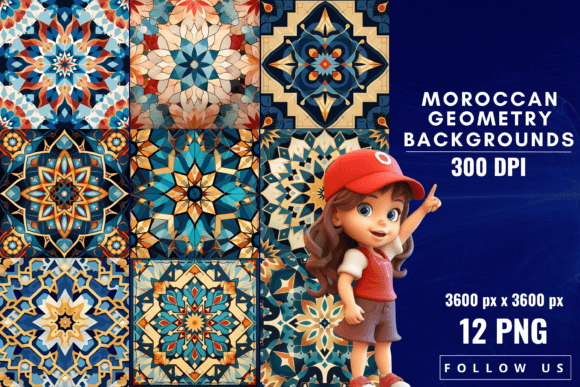
There is a specific kind of visual depth that stops a viewer in their tracks. It isn't about loud colors or chaotic imagery; it is about order, precision, and history. When you look at Moroccan Geometry Backgrounds, you are seeing centuries of mathematical artistry translated into a modern design asset. These patterns, often found in the architecture of Marrakech or the tiles of Fez, carry a personality that is both ancient and surprisingly contemporary. They offer a sense of structure and luxury that flat colors or generic stock photos simply cannot replicate.
As a designer or creative professional, you know that the background sets the stage for the entire composition. It dictates the mood before a single headline is read. Moroccan Geometry Backgrounds provide a visual foundation that feels substantial. The interlocking shapes—stars, polygons, and flowing arabesques—create a rhythm that guides the eye naturally. This isn't just decoration; it is a way to introduce complexity without clutter. Whether you are working on a high-end brand identity or a personal art project, these backgrounds offer a sophisticated starting point that commands attention through intricate repetition.
Visual Characteristics and the "Geometric Personality"
What makes this style distinct? It is the concept of "infinite pattern." Traditional Moroccan design avoids empty space, filling surfaces with tessellations that suggest a universe without end. This creates a sense of wholeness and protection. Visually, these backgrounds are characterized by sharp lines, perfect symmetry, and often a bold interplay of positive and negative space.
The personality of these backgrounds is regal yet welcoming. They evoke a feeling of luxury, often associated with palaces and sacred spaces, but the geometric nature keeps them grounded and orderly. They don't scream for attention; they hold it. This makes them perfect for projects where you need to convey trust, heritage, and high quality. They function as a premium font does in typography—elevating the content placed upon them.
Where These Backgrounds Truly Shine
Understanding where to deploy Moroccan Geometry Backgrounds is key to unlocking their potential. Their versatility is one of their strongest assets, bridging the gap between traditional and modern aesthetics.
- Digital & Web Design: In web design, these patterns are excellent for hero sections, footers, or sidebars. They add texture to a layout that might otherwise feel flat. For e-commerce sites selling handmade goods, luxury items, or travel services, these backgrounds instantly communicate an atmosphere of authenticity and global sophistication.
- Branding & Identity: If you are building a brand identity for a boutique hotel, a high-end spa, or a fusion restaurant, this aesthetic is a goldmine. It can be used on business cards, letterheads, and packaging to create a cohesive "world" for the brand. It tells the customer that the brand values tradition and craftsmanship.
- Social Media & Marketing: On platforms like Instagram or Pinterest, visual noise is high. A clean text overlay on a rich, geometric Moroccan pattern creates instant contrast. It works beautifully for quote graphics, product announcements, or story backgrounds, adding a layer of professionalism to social media graphics.
- Interior & Fashion Design: For mood boards and concept presentations, these backgrounds are invaluable. An interior designer can use them to visualize a backsplash or textile choice. A fashion designer might use them to frame a collection lookbook, tying the clothing to a narrative of exotic elegance.
- Packaging & Editorial: In packaging design, the unboxing experience matters. A geometric pattern on the inside of a box or as a sleeve wrapper adds a tactile, premium feel. In editorial design, such as magazine spreads or book covers, these backgrounds can set a thematic tone for articles about culture, history, or luxury living.
Practical Application: Working with Complex Patterns
Working with intricate backgrounds requires a bit more finesse than a simple solid color. The goal is to ensure the background enhances the content rather than overwhelming it. Here is how to approach it practically.
1. Managing Readability and Hierarchy
The biggest risk with detailed backgrounds is that text can get lost in the pattern. To maintain readability, you need to create a separation between the content and the background. This doesn't mean you have to hide the beautiful pattern.
- Use Overlays: A semi-transparent overlay (black, white, or a brand color) can tone down the contrast of the geometry, allowing white or dark text to pop clearly.
- Typography Choices: Pair these intricate backgrounds with clean, bold typography. A heavy sans serif font often works best because the simplicity of the letterforms contrasts well with the complexity of the geometry. Avoid overly decorative script fonts or thin serif fonts directly on top of busy patterns, as they can become illegible.
- Whitespace: Give your text room to breathe. Generous padding around text blocks helps isolate the content from the visual noise of the pattern.
2. Color and Contrast
Many Moroccan designs rely on traditional color palettes—blues, terracottas, golds, and whites. However, when using these as digital assets, look for versions that offer high contrast or neutral tones. Monochromatic versions (like navy and gold, or black and white) often integrate more seamlessly into modern design assets than full-color versions, which can feel dated if not handled carefully.
3. Licensing and Usage
Before you integrate these into a commercial project, always verify the licensing. If you are using them for logo design or mass-produced merchandise, you need to ensure you have the rights to do so. Most premium assets come with licenses that cover digital and print, but it is your responsibility as the creator to check the fine print.
Conclusion: A Timeless Asset for Modern Creators
In a digital landscape that often feels ephemeral and fleeting, Moroccan Geometry Backgrounds offer a connection to something enduring. They are more than just "pretty patterns"; they are structural elements that can ground a design, tell a story, and elevate a brand's perception. By treating these backgrounds with the same strategic care you would give to typography or layout, you can create work that feels rich, professional, and deeply engaging. Whether you are designing for print or pixel, this aesthetic remains a powerful tool in the modern creative's arsenal.