Wild Sophistication: Unleashing Leopard Print Pattern Backgrounds
There is a distinct energy that comes with animal prints. It is a visual language that speaks of confidence, a touch of the exotic, and an unapologetic sense of style. Among these, leopard print holds a special place. It is both timeless and perpetually modern, a pattern that can feel luxurious, edgy, or playful depending on its execution. For designers, creators, and brand builders, having a high-quality, versatile leopard print resource is not just about decoration—it is about making a statement. This is where a well-crafted collection of abstract leopard print realistic pattern backgrounds becomes an indispensable part of your creative toolkit.
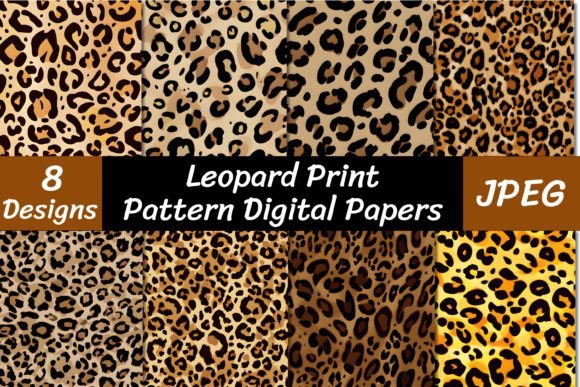
Forget the flat, cartoonish prints of the past. The modern approach to leopard print, especially in a high-resolution digital format, focuses on realism and texture. These are not just simple dots on a canvas. They are nuanced compositions that mimic the organic, almost watercolor-like quality of a real leopard's coat. The rosettes are irregular, the background tones have subtle shifts and grain, and the overall effect feels tactile and authentic. This level of detail is what separates a premium design asset from a generic one. It provides a foundation of quality that elevates any project it touches, whether it is a brand identity system, a social media campaign, or a piece of editorial design.
The Anatomy of a High-Quality Print
Understanding what makes these pattern backgrounds superior is key to using them effectively. The first critical feature is the resolution. At 3600 x 3600 pixels and 300 DPI, these files are built for serious work. This size ensures they remain crisp and clear whether you are scaling them down for a website header or blowing them up for a large-format print like a poster or trade show banner. There is no pixelation or loss of quality, which is a common frustration with lower-resolution assets. This technical robustness gives you the freedom to experiment without constraints.
The second defining characteristic is the abstract yet realistic style. The "abstract" element means the pattern is not a literal photographic copy of animal fur. It is an artistic interpretation, which allows for greater flexibility in color application and styling. You might find classic tawny and black combinations, but also unexpected palettes like muted pastels, bold neons, or sophisticated monochromes. The "realistic" aspect ensures that the texture, light, and shadow within the pattern still feel believable and rich. This blend gives you the best of both worlds: artistic liberty and authentic appeal.
Where This Pattern Truly Comes Alive
The applications for a versatile leopard print background are surprisingly broad. In branding and logo design, it can be used as a secondary texture or a bold accent. Imagine a fashion boutique using it subtly on the inside of a shopping bag, or a cosmetics brand featuring it on product packaging to convey luxury and boldness. It immediately creates a strong visual identity that is recognizable and memorable. For entrepreneurs and small business owners, it is a shortcut to establishing a sophisticated, on-trend brand personality without needing a massive design budget.
For content creators, bloggers, and marketers, these backgrounds are a goldmine. They transform mundane social media graphics into eye-catching content. A quote graphic, a podcast cover, or a YouTube thumbnail gains instant visual interest when placed over a textured leopard print. It works exceptionally well for industries related to fashion, beauty, lifestyle, and travel. In editorial design, it can be used as a chapter opener in a magazine or a background for a feature article, adding depth and context to the visual storytelling.
Making It Work: Practical Integration
The power of a pattern like this lies in its ability to influence perception and hierarchy. A leopard print background naturally draws the eye. Therefore, it is most effective when used with intention. For text-heavy designs, consider using it in panels, borders, or as a muted background layer behind a solid color block that holds the typography. This approach maintains readability while still incorporating the pattern's dynamic energy. Pair it with clean, modern sans serif fonts for a contemporary feel, or with elegant serif typefaces for a more classic, luxurious look.
When evaluating if this asset fits your project, consider your audience and the message you want to send. Leopard print carries strong connotations. It can communicate confidence, glamour, rebellion, or natural beauty. For a professional law firm, it might be off-brand, but for a trendy restaurant, a lifestyle coach, or a creative agency, it could be perfect. Always test the pattern with your actual content. See how your logo sits on top of it, how your body copy reads against it, and how the overall color palette harmonizes. The included files, being in the universal JPEG format, make this testing process straightforward in any design software.
Ultimately, a collection of abstract leopard print realistic pattern backgrounds is more than just a set of decorative papers. It is a versatile design asset that offers instant sophistication, texture, and personality. It allows you to tap into a powerful visual trend with the quality and flexibility needed for professional results. Whether you are building a brand from the ground up or refreshing an existing one, this resource provides a reliable foundation for creating compelling, engaging, and visually rich designs that stand out in a crowded digital landscape.